
Your Guide to Navigating Ohio Building Permits for Home Additions
Dreaming of expanding your living space with a beautiful new home addition? It’s an exciting prospect—imagining a new sunroom, a larger kitchen, or a second-story master suite. But before the first wall comes down or foundation is poured, there's a crucial, often confusing, step: the building permit process. For many homeowners in the Cleveland area, this bureaucratic hurdle can feel overwhelming. Questions about zoning, inspections, and paperwork can quickly turn excitement into anxiety.
At ETM Construction Ltd, we believe in being a true partner for our clients. A key part of that partnership is education and guidance. We want to demystify the process so you can move forward with confidence. This guide will walk you through the essentials of navigating building permits for home additions in Ohio, explaining why it’s so important and what you can expect along the way.
Why Building Permits Are Your Project's Best Friend
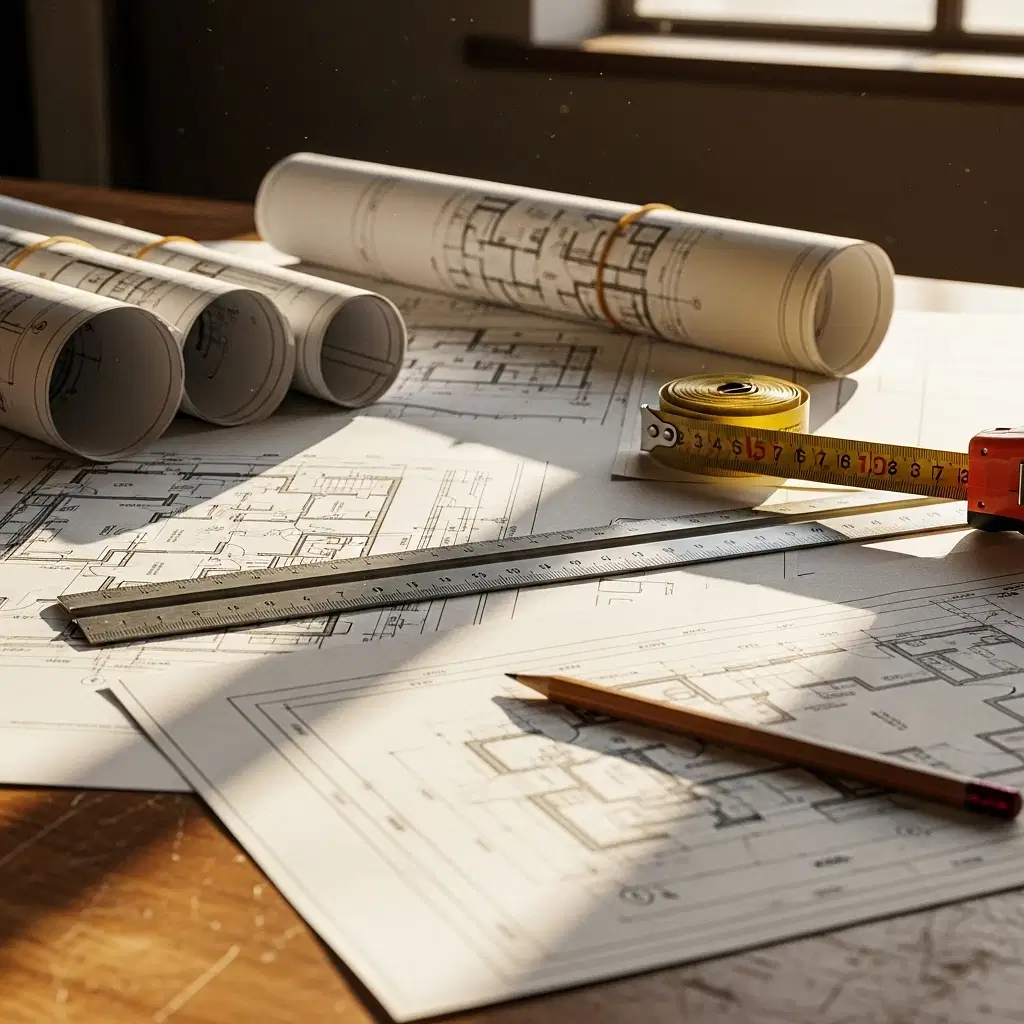
It can be tempting to view the permit process as just red tape, but it serves a vital purpose. A building permit is official approval from your local government to proceed with a construction or remodeling project. Its primary function is to ensure your project is safe and complies with local and state building codes, zoning laws, and construction standards.
Here’s why you should never skip this step:
- Safety and Quality: The review and inspection process ensures that your addition is structurally sound, with proper electrical and plumbing systems, protecting your family and your investment.
- Legal Compliance: Building without a permit can result in significant fines, legal action, and even orders to tear down the completed work. It creates a massive headache that is easily avoided.
- Insurance Coverage: If an issue like a fire or structural failure occurs in an unpermitted addition, your homeowner's insurance may refuse to cover the damages.
- Future Resale Value: When you sell your home, unpermitted work can be a major red flag for potential buyers and lenders, potentially derailing the sale or forcing you to make costly retroactive fixes.
Ultimately, a properly permitted project provides peace of mind, knowing your addition was built correctly and to the highest standards.
What Kinds of Projects Require a Permit?
Generally, any project that involves altering the structure of your home, adding to its footprint, or changing its electrical or plumbing systems will require a permit. For homeowners considering an expansion, this almost always applies.
Common projects that need a permit include:
- New Home Additions: This is the most obvious category. Whether you're adding a single room or an entire new wing, you will need a permit. This includes complex projects that require significant planning and structural engineering for residential additions.
- Sunrooms and Enclosed Porches: Even if it feels like a minor addition, enclosing a space or adding a four-season sunroom changes your home's structure and requires approval. Navigating local building codes for sunrooms is a critical first step.
- Second-Story Additions: Adding a level to your home is a major structural change that involves extensive review.
- Attached or Detached Garages: Building a new garage requires permits for the foundation, structure, and electrical work.
- Large Decks and Patios: Many municipalities require permits for decks over a certain height or square footage. Some elaborate exterior hardscapes like covered patios with electrical wiring also fall into this category.
When in doubt, it's always best to assume you need a permit and consult with a professional.
The Permit Process in Cuyahoga County: A Step-by-Step Overview
While specifics can vary slightly between municipalities (from the East Side to the West Side), the general process for obtaining a building permit follows a standard path. Working with a licensed and insured general contractor is invaluable here, as they manage this entire process on your behalf.
Step 1: Finalize Your Plans Before you can even apply, you need detailed plans. These aren't just sketches on a napkin. You'll need professional architectural drawings that show floor plans, elevations, and cross-sections. For any structural changes, you'll also need plans stamped by a licensed structural engineer to ensure the design is safe and sound.
Step 2: Complete the Application The next step is to fill out the permit application from your local building department. This typically requires the project address, owner information, contractor details (including license numbers), a detailed description of the work, and the estimated project cost.
Step 3: Submit for Plan Review You'll submit your completed application along with multiple copies of your architectural and engineering plans. A plans examiner will review everything to ensure it complies with the Ohio Residential Code and local zoning ordinances. This is the most time-consuming part of the process. The reviewer may have questions or require revisions, which your contractor will handle.
Step 4: Permit Issuance Once the plans are approved, the permit is issued, and work can officially begin! The permit must be clearly posted at the job site throughout the duration of the project.
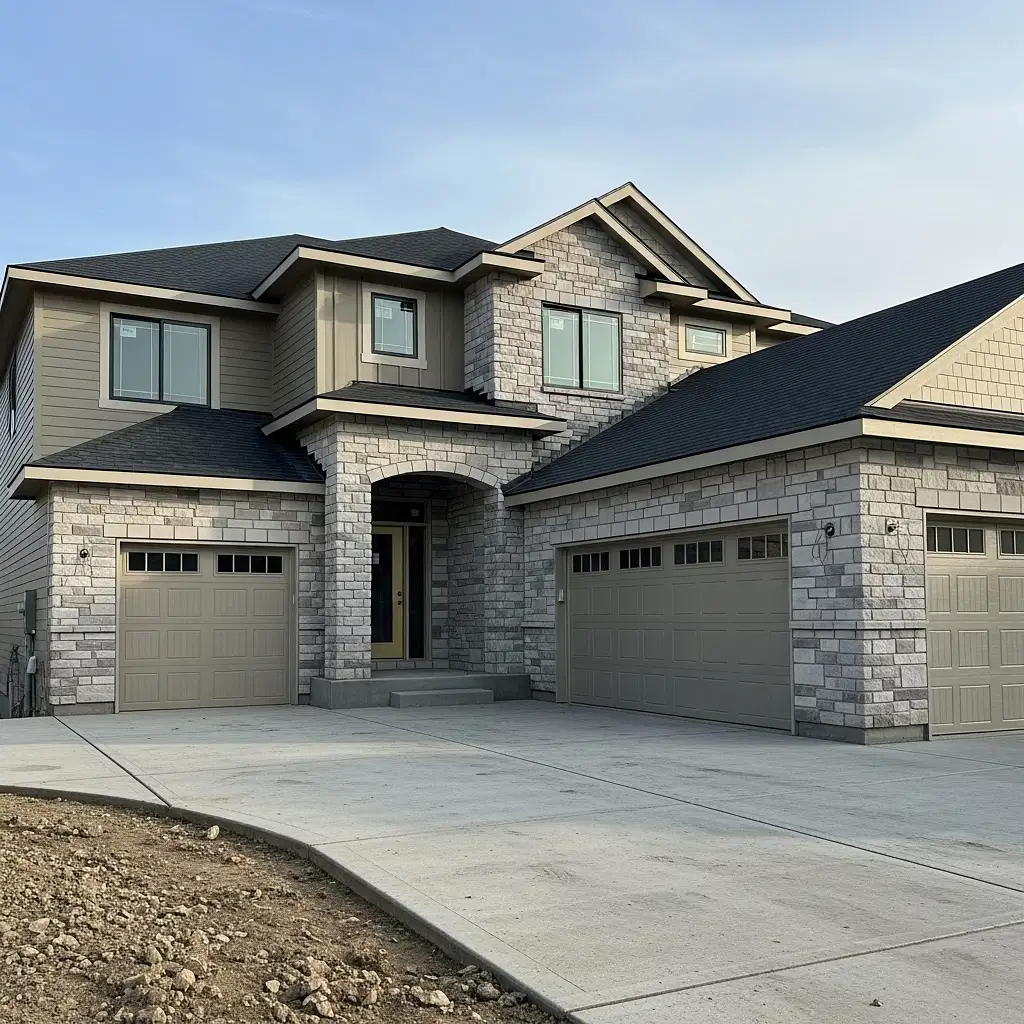
Step 5: On-Site Inspections As construction progresses, a city inspector will visit the site at key milestones (e.g., after foundation is poured, after framing is complete, after electrical and plumbing rough-in) to ensure the work matches the approved plans and meets code requirements. Your contractor is responsible for scheduling these inspections.
Your Partner in Building with Confidence
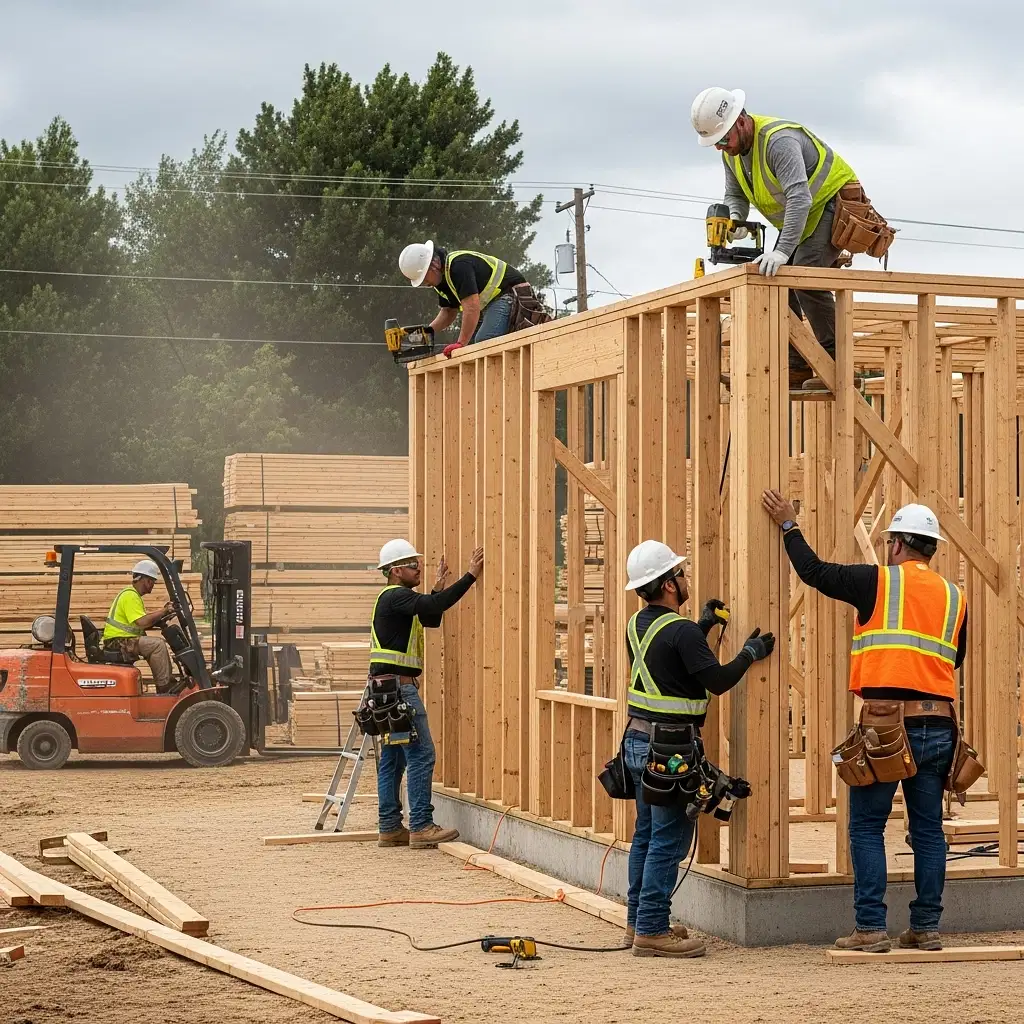
The building permit process is detailed and methodical for a reason—it ensures your home addition is a safe, valuable, and lasting investment. While it may seem complex, it doesn't have to be a source of stress for you. The key is to work with an experienced, trustworthy contractor who understands the local requirements and can manage the entire process from start to finish.
At ETM Construction Ltd, we handle everything from the initial design and engineering to the final inspection. Our deep experience in the region means we know how to prepare and submit plans that get approved efficiently, avoiding common pitfalls that can cause delays and frustration. We believe in clear communication, keeping you informed at every stage without bogging you down in the paperwork.
If you're considering a new home addition or a significant outdoor project, let's talk. Contact us today for a consultation, and let us show you how we can turn your vision into a beautiful, fully compliant reality for your home here in Mentor and beyond.