
Your Guide to Budgeting for a Home Addition in Cleveland
Expanding your living space with a home addition is an exciting prospect. Whether you’re dreaming of a sun-drenched family room, a spacious primary suite, or a larger kitchen for family gatherings, an addition can transform how you experience your home. But before the first wall comes down, the most critical question arises: “How much is this going to cost?”
For homeowners in the Cleveland area, planning a budget for a new home addition involves more than just numbers on a spreadsheet. It requires understanding the unique character of our local homes, from historic bungalows to post-war colonials, and accounting for factors like our distinct four-season climate. The biggest concern we hear from clients is uncertainty about the final cost. That’s why we believe in transparency and partnership from day one. This guide will break down the key components of a home addition budget, helping you plan with confidence and avoid common financial pitfalls.
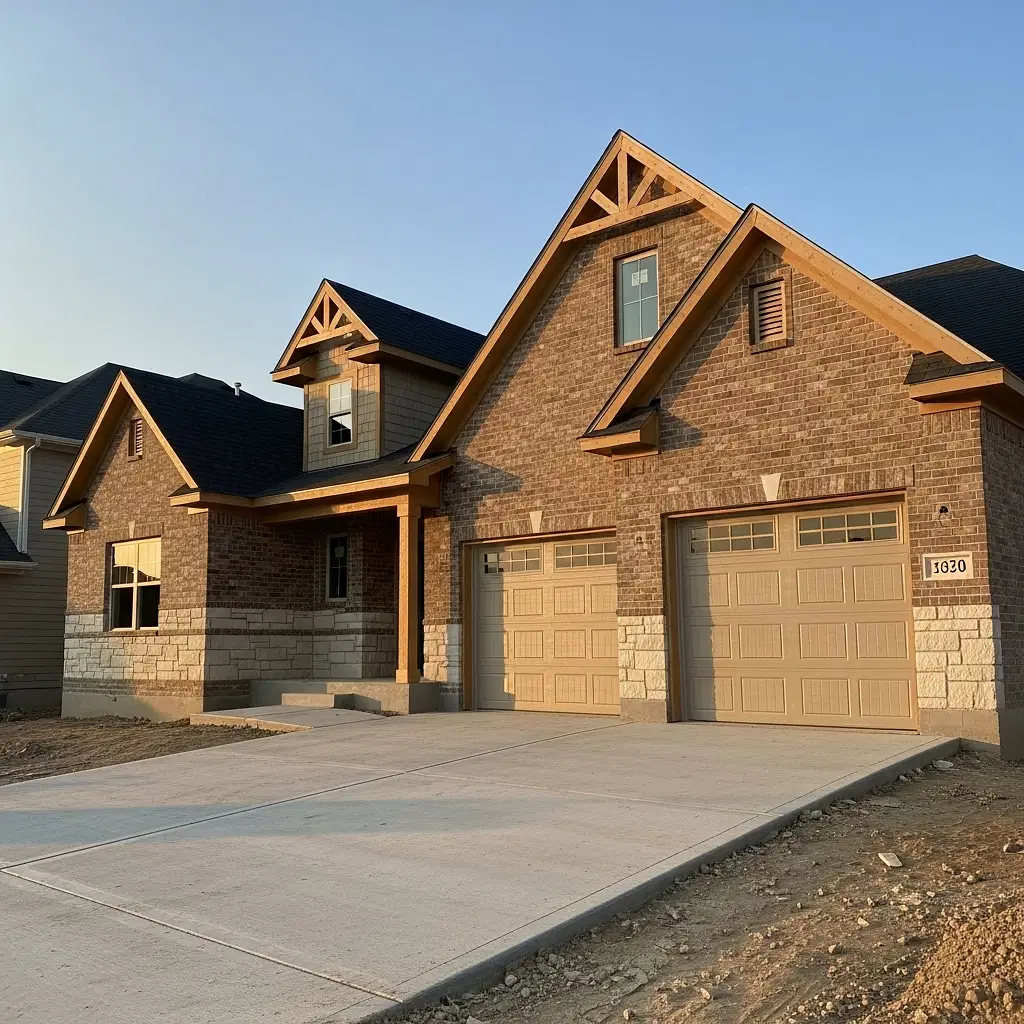
The Core Components: What Drives the Cost?
Creating a realistic budget starts with understanding where the money goes. While every project is unique, costs can generally be broken down into three main categories. A detailed home addition cost breakdown for your Ohio project will include these essential elements.
1. Hard Costs: The Bricks and Mortar These are the most tangible expenses related to the physical construction of your addition. They include:
- Labor: The skilled craftspeople who build your project, from framers and electricians to plumbers and roofers.
- Materials: Lumber, concrete for the foundation, drywall, roofing materials, windows, and doors. Material prices can fluctuate due to supply chain disruptions, a factor a good contractor will help you navigate.
- Site Work: Excavation, grading, and pouring the foundation.
2. Soft Costs: The Planning and Paperwork Before any ground is broken, significant work happens behind the scenes. These costs are crucial for a successful and legally compliant project:
- Architectural & Design Fees: Creating the blueprints that turn your vision into a buildable plan.
- Engineering Fees: Ensuring the structural integrity of the new addition and its connection to your existing home.
- Permits and Inspections: Fees paid to your local municipality for building permits and the required inspections to ensure everything is built to code. Navigating local building codes is a critical step we manage for our clients.
3. Finishing Costs: The Final Touches This category covers everything that makes the new space livable and beautiful. It’s also where your personal style shines through:
- Interior Finishes: Flooring, paint, trim, and lighting fixtures.
- Exterior Finishes: Siding, brick or stone veneer, and paint.
- Major Systems: Extending your HVAC system, plumbing, and electrical wiring into the new space.
- Fixtures and Cabinetry: This can be a significant portion of the budget, especially if your addition includes a new bathroom or a kitchen renovation.
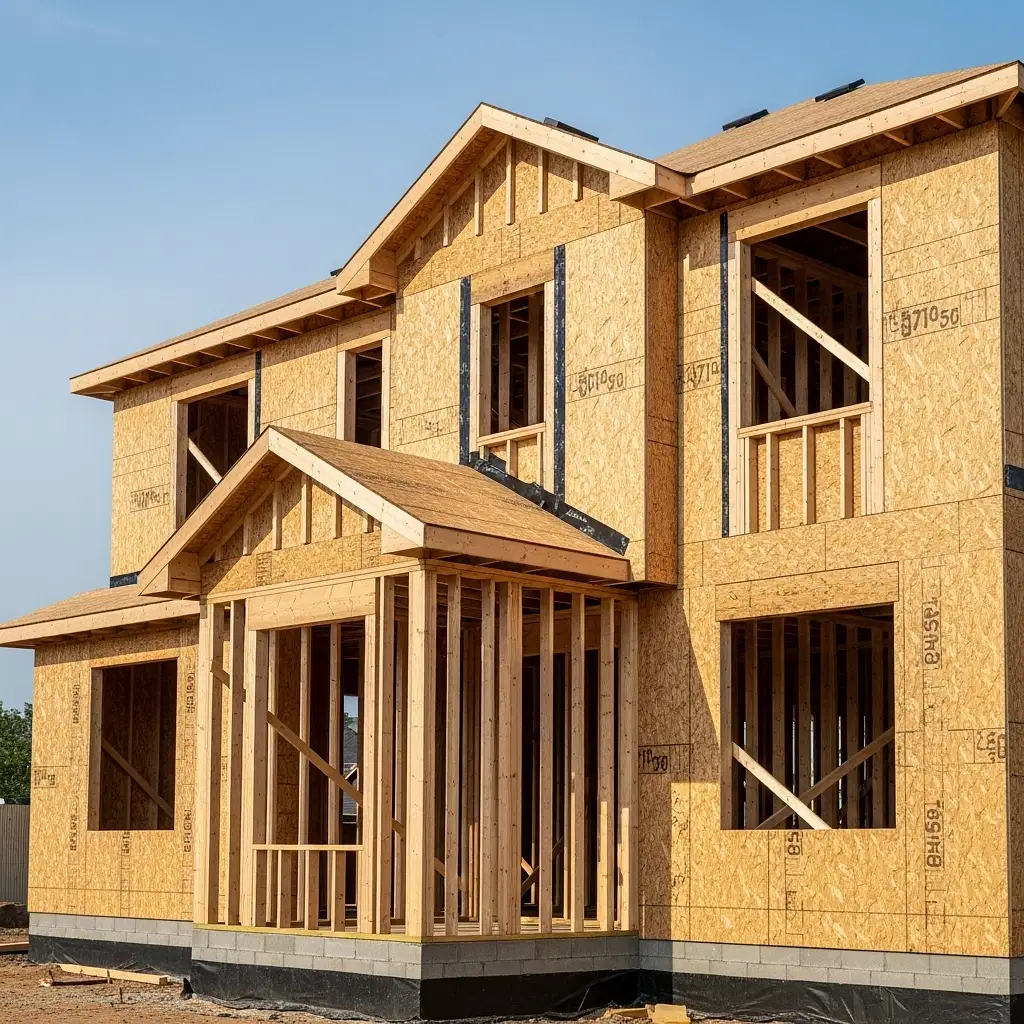
Uncovering the 'Hidden' Costs in Your Budget
An experienced general contractor helps you plan not just for the expected, but for the unexpected too. Homeowners are often surprised by costs that weren't in the initial estimate from a less thorough builder. Building trust means being upfront about these potential expenses.
-
Connecting to the Existing Home: One of the biggest challenges, especially with older homes, is seamlessly blending the old with the new. This can involve complex roof tie-ins, matching aged brick or siding, and weaving in new flooring to match existing hardwoods. Budgeting for a 1920s bungalow addition, for example, requires special attention to preserving its architectural character.
-
Utility Upgrades: Will your current electrical panel handle the extra load? Is your furnace or AC unit sized to heat and cool the additional square footage effectively, especially during a cold snap with lake effect snow? Upgrades may be necessary.
-
Landscaping and Site Restoration: Construction can be tough on your yard. Your budget should include funds to repair the lawn, add or move plants, and potentially build a new deck or patio to complement the addition.
-
The Contingency Fund: This is arguably the most important line item in your budget. We always recommend setting aside 10-20% of your total project cost for a contingency fund. This isn't a slush fund; it’s a safety net for unforeseen issues, like discovering unexpected structural problems once a wall is opened, or for accommodating changes and upgrades you decide you want during the process.
Building Your Budget: A Practical Approach
So, how do you put this all together into a workable plan? It’s a collaborative process between you and your contractor.
First, create a detailed project scope checklist. Divide your wants into two columns: “must-haves” (e.g., a ground-floor bedroom) and “nice-to-haves” (e.g., a heated floor in the bathroom). This helps prioritize where to allocate funds and provides a clear starting point for discussions.
Next, it’s time to talk to a professional. At ETM Construction, our process begins with a complimentary consultation where we listen to your goals and vision. From there, we develop a preliminary budget and a detailed scope of work. This document provides a transparent, comprehensive look at the projected costs, allowing you to make informed decisions before signing a contract. We believe in educating our clients and working as partners to ensure the final project meets both your dreams and your budget.
A well-planned addition is more than just extra space—it's an investment in your home's value and your family's quality of life. By understanding the costs and working with a trustworthy partner, you can ensure that investment is a sound one.
Let's Plan Your Project Together
Budgeting for a home addition can feel overwhelming, but it doesn’t have to be. With careful planning and the right team, you can confidently move forward with creating the space your family needs.
If you’re ready to explore the possibilities for your home here in the Cleveland area, we’re here to help. Contact ETM Construction Ltd today to schedule your free consultation. Let’s discuss your vision for a new home addition, kitchen renovation, or any other remodeling project and start building a realistic plan together.